Dust, Noise and Safety: Make It Guest-Friendly
When you’re upgrading a bar, re-imagining the snug, or finally tackling those battered boards, the temptation is to close the doors, batten down the hatches and disappear for a fortnight. Yet many operators can’t afford that luxury—cashflow, regulars, and reputational momentum are all at stake. The good news? With planning, tidy sequencing, and the right dust-control tactics, you can keep pours flowing while the power tools hum. This guide shows you exactly how to trade confidently through a refurbishment without losing your shirt—or your locals.
The business case for staying open
Shutting completely might feel simpler, but it carries hidden costs:
- Revenue gap: Even three to five dark trading days can wipe out a month’s profit in a seasonal market.
- Customer drift: Habits set quickly; give regulars a week to experiment elsewhere and some won’t return.
- Re-launch pressure: A grand reopening must land perfectly or you’re chasing your tail for months.
Trading during works spreads risk. You keep tills ticking, staff engaged, suppliers rotating, and your neighbourhood presence alive. Even better, your refurb becomes a live story customers can watch unfold—a backstage pass that builds ownership and pride.
Set the strategy first, not the schedule
Before sledgehammers, agree your north star:
- What experience are we protecting every day?
Decide the non-negotiables: a clean front bar from 5pm, two draught lines always available, lunch service uninterrupted, or live sport visible despite scaffolding. - Which zones can actually shut?
Divide your pub into work zones with hard boundaries (back bar, snug, cellar corridor, one bank of toilets). At any time, only one to two zones should be “hot”. - What’s the show for guests?
If the narrative is “craft upgrade underway,” let people see careful craft: tidy cable runs, labelled tool boxes, dust extraction whirring, and clear safety signage. It reassures.
A simple principle governs every decision: work back from service. What must be true by 11:30am and 5:00pm each day? Your programme should flex around those two reality checks.
Comms: over-explain, then delight
Silence breeds suspicion; transparency builds trust. Put messaging everywhere:
- Door & chalkboard: “We’re refreshing your local. Trading as normal from 5pm with two guest ales and the kitchen from 6pm. Thanks for bearing with the dust!”
- Table toppers: Quick note explaining today’s zone, any temporary menu edits, and a thank-you pint offer on completion week.
- Digital: Daily Instagram Stories or Facebook updates—short, honest, a touch of humour. “The snug just ripped up 1983’s carpet. Underneath? Glorious boards.”
- Staff script: One upbeat sentence for greetings: “We’re mid-refresh this week, but bar and garden are open as usual—shout if anything’s in your way and we’ll sort it.”
Remember, your works aren’t an apology; they’re proof you’re investing in the local. Put a sketch or mood board on the wall so people can imagine the finish line.
Dust, noise, and safety: non-negotiables
Dust management that actually works
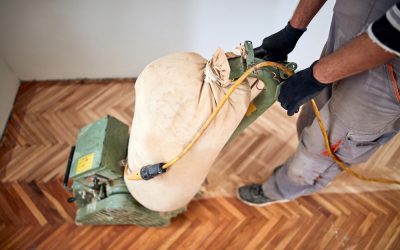
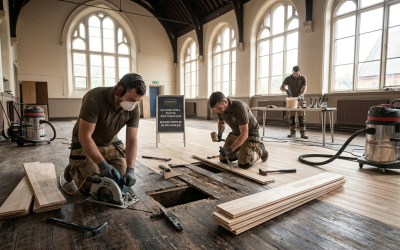
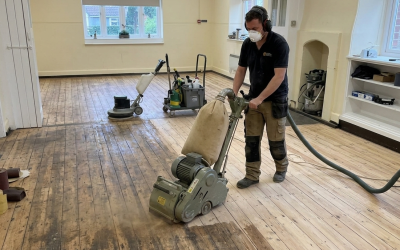
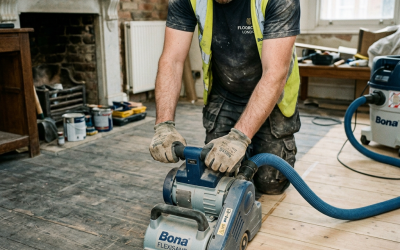
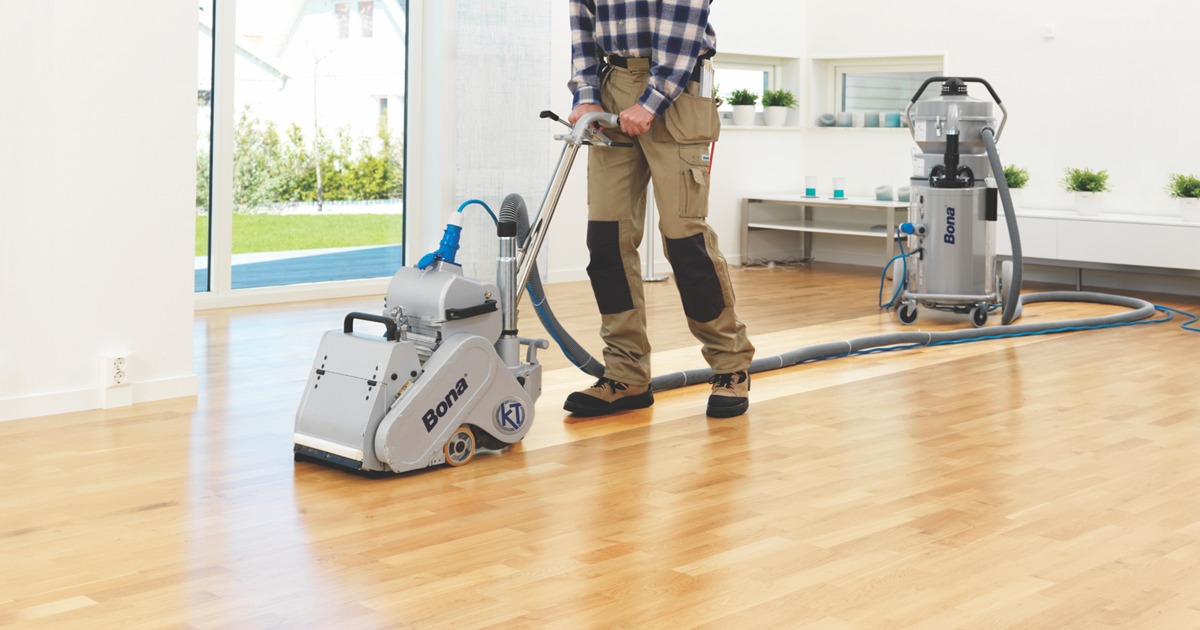
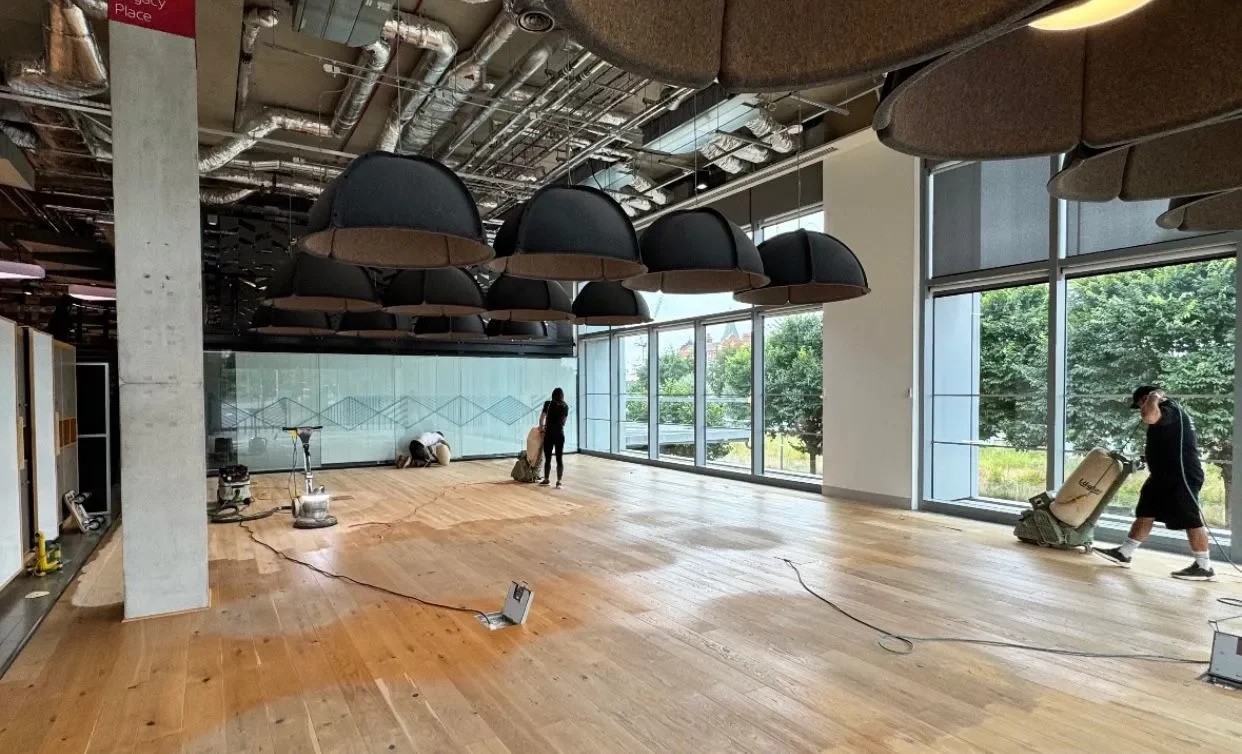
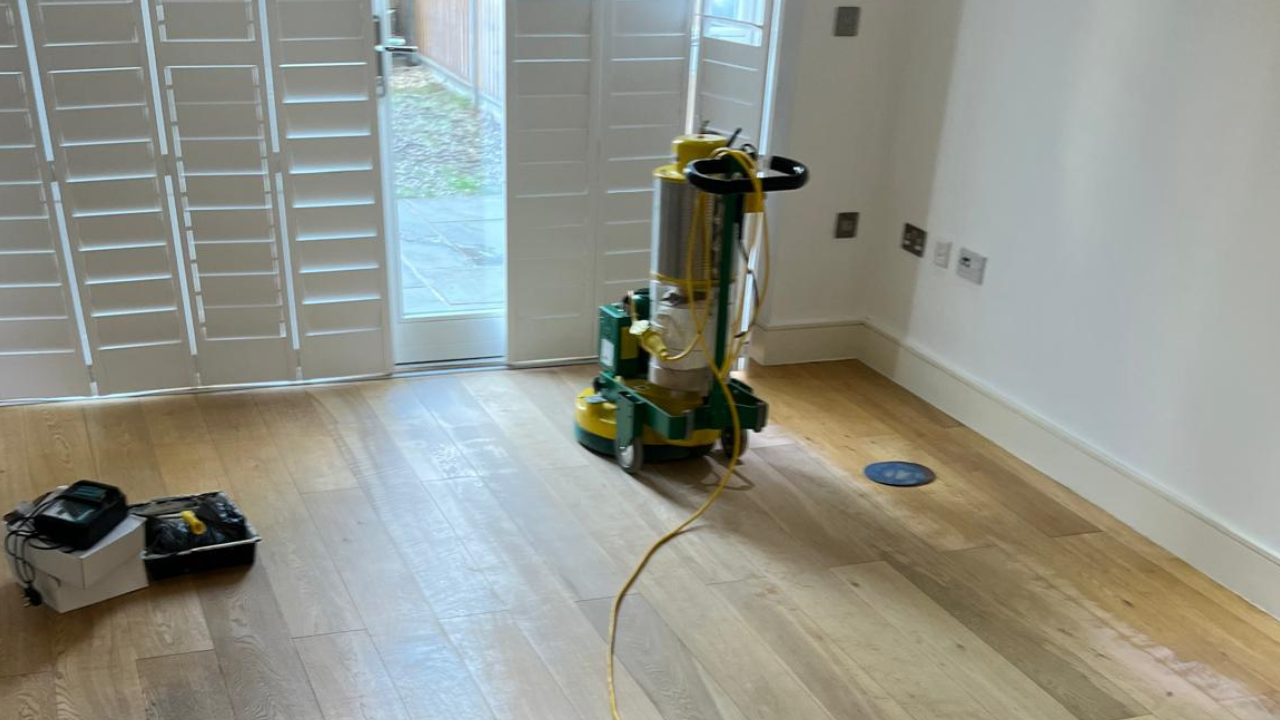
- Source capture > general cleanup: Use sanders and saws with Class M extractors and sealed hoses. Fit pre-separators for heavy loads.
- Negative pressure: In the active zone, open an extraction fan to outside and seal door gaps with foam; it pulls dust away from front-of-house.
- Smart sheeting: Floor-to-ceiling polythene with zip doors, taped to skirting and cornice, not just a token curtain.
- Staggered tasks: Sanding and paint-stripping happen 7–11am. By noon, air’s clear and hard surfaces have had a first clean.
Noise etiquette
- Noisy windows: 7–10am and 2–4pm, avoiding school runs and your lunch trade.
- Quiet swaps: During service, switch to hand tools, fixings, and varnish curing.
Safety and compliance (UK specifics)
- HSE & COSHH: Keep safety data sheets for finishes; provide suitable gloves/respirators where required.
- Fire: If hot works are necessary, run a permit-to-work and keep extinguishers within reach.
- Access: Maintain clear, signed customer routes with anti-slip boards if floors are lifted.
- Licensing: Agree temporary bar footprints and egress with your licensing officer if anything significant moves.
Sequencing: build your week around two daily “reveals”
Think in reveals rather than days: what the guest sees at lunch and evening. Here’s a sample micro-programme for a five-day phase, focusing on floor restoration and joinery upgrades.
Day 1 (Mon)
- 07:00–10:00: Strip out banquette in snug. Lift trims, label fixings. Sheet and seal the snug.
- 10:00–12:00: First sanding pass with extraction. Electricians pre-run conduit in ceiling void.
- 12:00–15:00: Front bar deep clean; snug stays sealed. Lunch trade normal.
- 15:00–17:30: Fill knots and edge-sand.
- 17:30: Reveal: snug remains closed, bar immaculate, tasting flight promo.
Day 2 (Tue)
- 07:00–10:30: Second sanding pass; install cable trays; decorator primes skirtings.
- 10:30–12:00: Vacuum with HEPA, mop with microfibre, dry with air movers.
- 12:00 onwards: Snug reopens for view-through only (zip door), front operates fully.
- 18:00: Quiet fixing of new brass foot rails at the bar.
Day 3 (Wed)
- 07:00–09:00: Final sanding pass; tack-cloth; first coat of lacquer or hardwax oil.
- 09:00–13:00: Cure time (sealed). Switch crew to back corridor joinery.
- 17:00: Reveal: polished front bar; “Mind the curing snug—back tomorrow.”
Day 4 (Thu)
- 07:00–08:00: Light denib; second coat.
- 08:00–12:00: Electrical focus in ceiling: pendants rehung; dimmers commissioned.
- 12:00–17:00: Normal service with one table bank blocked.
- 17:00: Reveal: lighting upgrade on show; offer “new snug” preview bookings.
Day 5 (Fri)
- 07:00–09:00: Reinstall trims, softs; silicone where needed.
- 09:00–12:00: Snag list; deep clean; polish brass.
- 17:00: Reveal: snug reopens with small welcome-back treat.
This cadence ensures two customer-ready moments daily and reduces the pressure to “finish everything” by some arbitrary hour.
Menu and bar: edit with intention, not apology
Trading during works is the time to simplify—but cleverly.
- Menu: Strip back to dishes with minimal prep and fewer fryers. Present it as a chef’s “worksite menu”—tight, seasonal, and confident.
- Bar: Keep two signature draughts, one rotating guest, one premium lager, plus a short cocktail card that avoids shaking (stirred or batched serves).
- Speed rails: Pre-batch popular spritzes. Quiet ice machines by scheduling deliveries early.
- Allergen clarity: If a section of the kitchen is out, re-check cross-contamination and update allergen matrices.
Avoid the “sorry, half the menu is 86’d” vibe. Instead, sell the edit as a curated selection while the transformation happens.
People and rota: the most important dust control is your team
- Refurb marshal: Appoint one manager as single point of truth—liaising with trades, updating comms, checking barriers, and signing off daily reveals.
- Shift choreography: Early crew supports morning resets; mid crew runs service; late crew resets to allow the next morning’s start.
- Toolbox talks: Five minutes at 10:45am—what’s noisy, what’s sealed, today’s guest lines.
- Morale: Feed the team. A refurb week with pastries and decent coffee goes twice as smoothly as one without.
Money: control cost without penny-pinching the finish
- Value engineering that guests feel: Refinish quality timber rather than replace; upgrade lighting controls instead of every fitting; reupholster bench backs where frames are sound.
- Spend where eyes linger: Bar top, floor sheen, pendants, mirrors. Corners and coves can wait a phase.
- Contingency: Hold 10–15% for discoveries under floors or behind panelling.
- Phasing: If cash is tight, deliver in two to three crisp phases guests can track—each with its own “ta-da” moment.
Floors: your biggest visual win
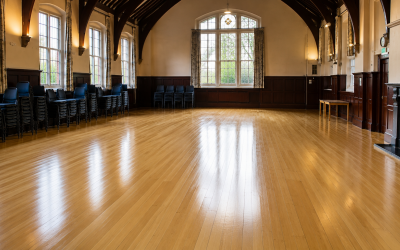
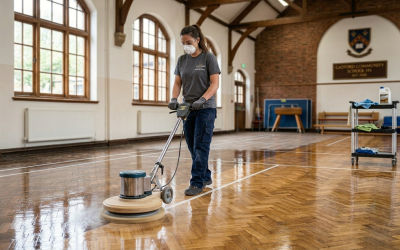
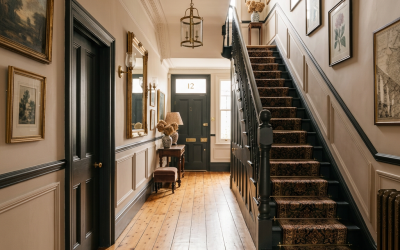
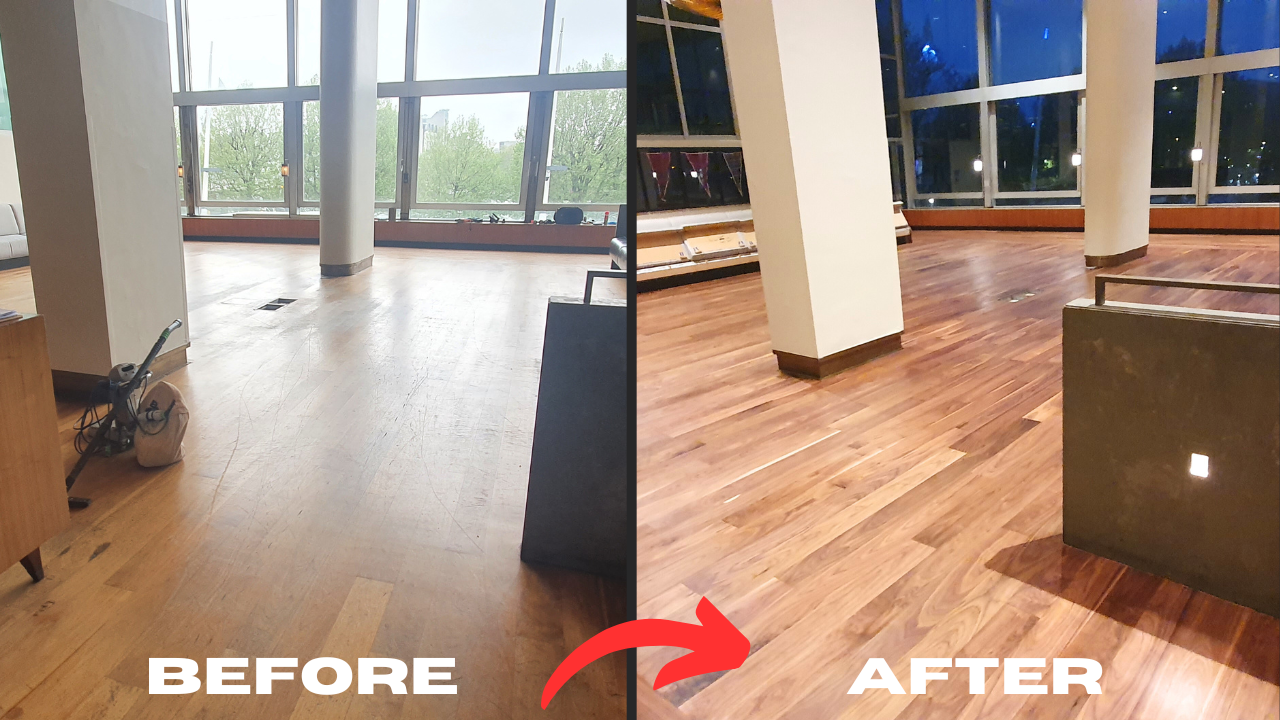
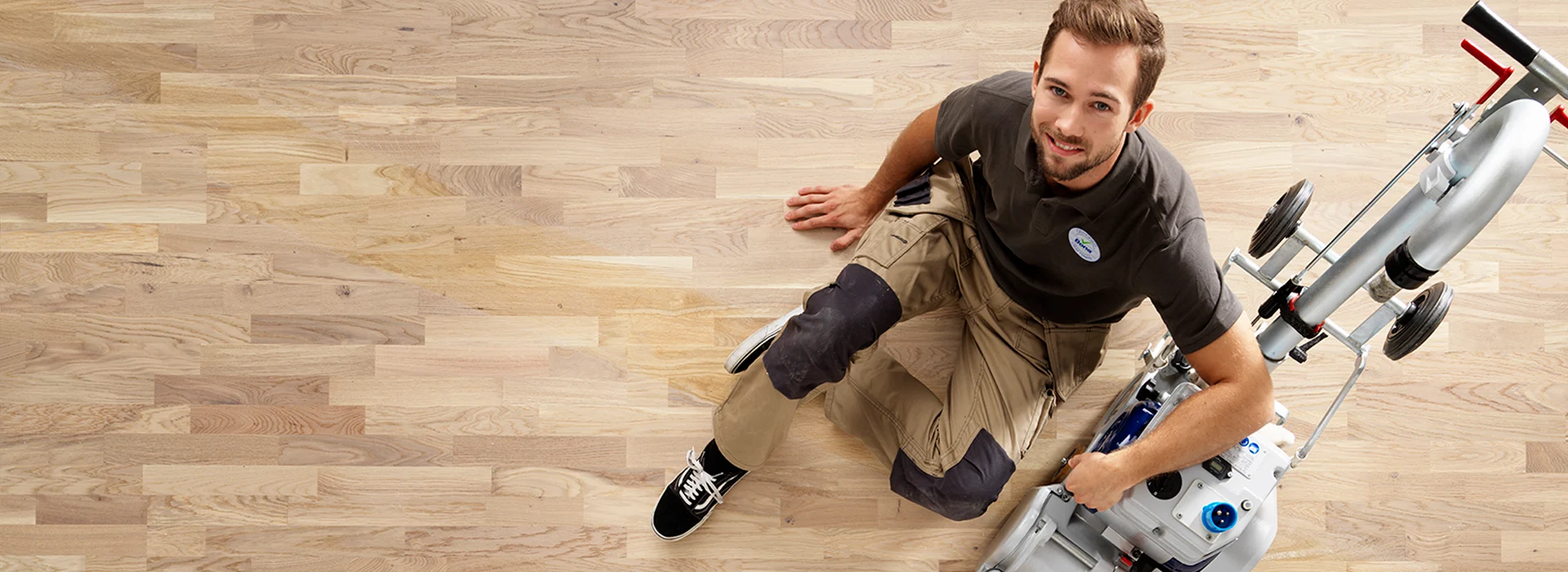
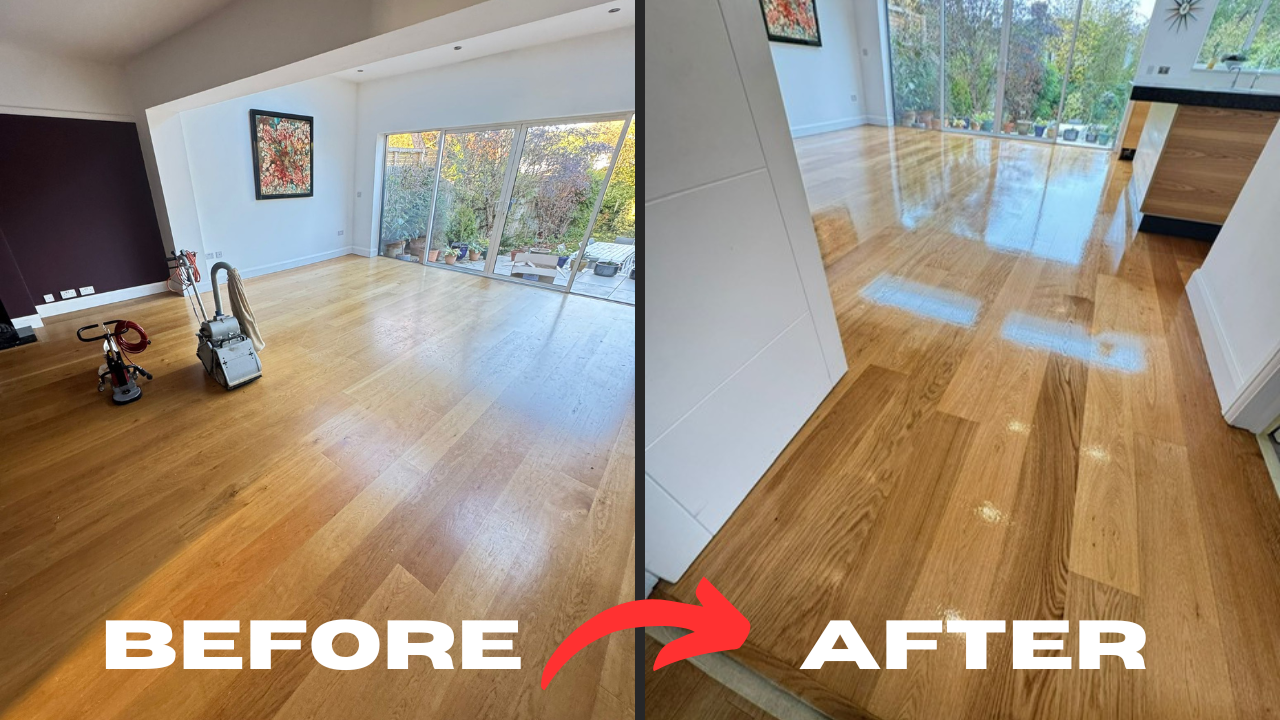
Tired boards or parquet drag the whole room down; restored timber lifts everything. A well-planned restoration during live trading needs:
- Time boxing: Early-morning aggressive passes; afternoons for denibbing and cleaning; evenings show-ready.
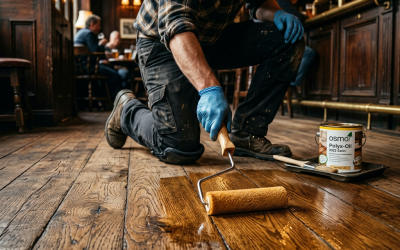
- Low-VOC finishes: Faster re-entry, fewer smells.
- Edge attention: The perimeter sells the job—clean lines at skirtings and under the bar kick.
- Protection: During service, lay breathable mats across curing zones and signpost clearly.
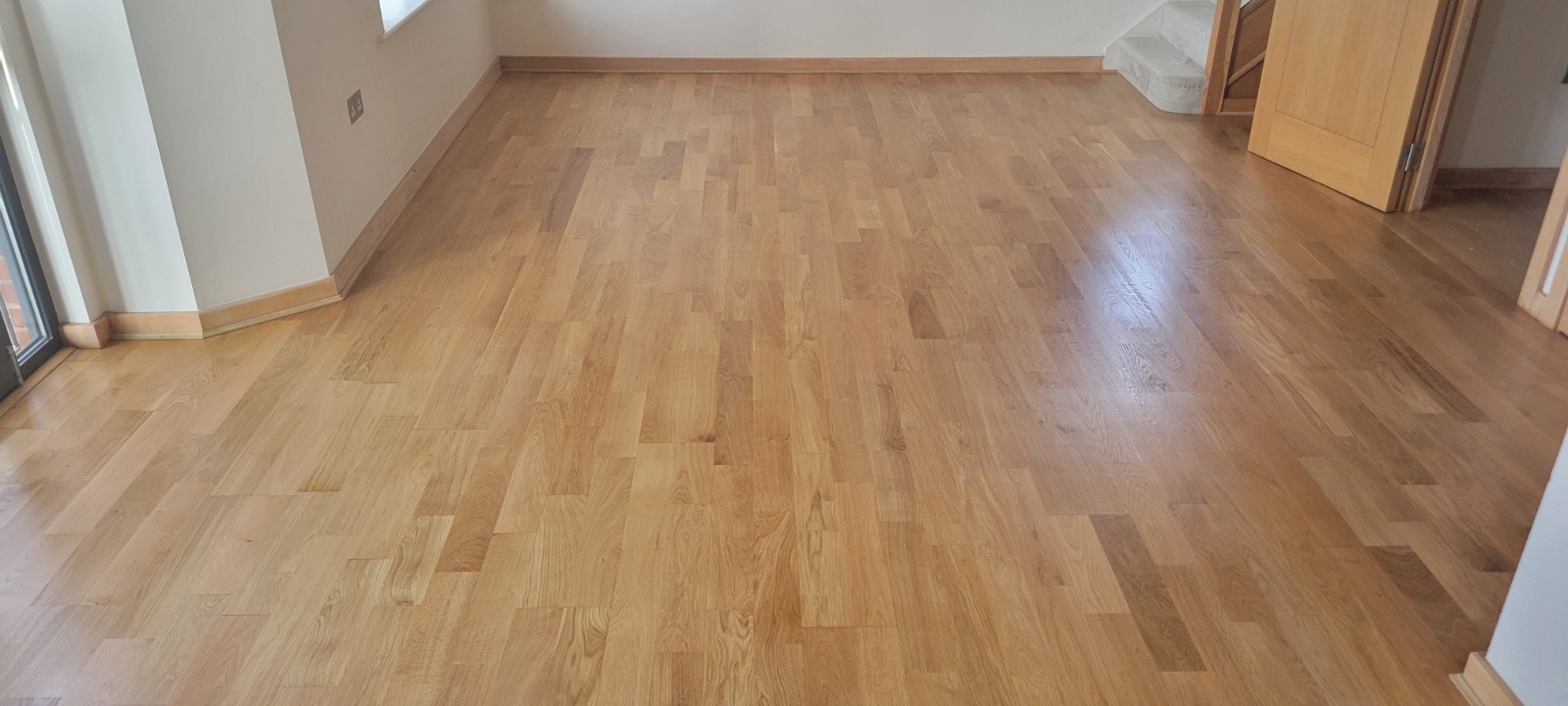
Handled well, the floor becomes your transformation headline the very week you’re still trading.
Marketing the journey (without spamming)
- Daily snap, one truth: A single authentic photo—no filters—of something tangible achieved today.
- Micro-perks: A stamp card that only exists during the refurb: “Three pints this week = first round on us the day the snug reopens.”
- Neighbour shout-outs: If your builder uses a local timber yard or upholsterer, tag them. Locals love seeing money circulate nearby.
- Press note: A short email to your local paper—“Independent pub is upgrading while trading to keep staff employed; preview night next Thursday.”
Template: daily “works while trading” customer note
Today’s progress
– Snug floor received its second coat this morning and is curing nicely.
– New pendants are up above the bar; dimmers go live at 4pm.
– Please use the right-hand staircase while we finish the corridor.
Open as normal from 12 with our shorter “builder’s menu”. Thanks for bearing with us—wait till you see it!
Pin it near entrances and share on socials before lunch.
How to choose the right partners
- Live-site experience: Ask for examples where they worked around service. If they look blank, keep looking.
- Extraction kit: Do they own Class M/H vacs and pre-separators? If not, you’ll be cleaning for weeks.
- Programme discipline: Can they articulate “reveals” rather than only days and dates?
- Aftercare: Will they return during the first week post-completion for snags?
Working with specialists who understand hospitality rhythms makes all the difference.
When it’s worth a brief full closure
Honesty time. There are moments when you should go dark for 24–48 hours:
- Heavy structural moves requiring open voids or full-width floor lifting.
- Asbestos remediation under licensed conditions.
- Major ceiling spray finishes that need uninterrupted cure and dust-free space.
If you do shut, make it a marketing event—countdown posts, partner with a nearby venue for a pop-up, and reopen with a small flourish that thanks regulars first.
Case study snapshot: “The Station Arms” (fictional, but typical)
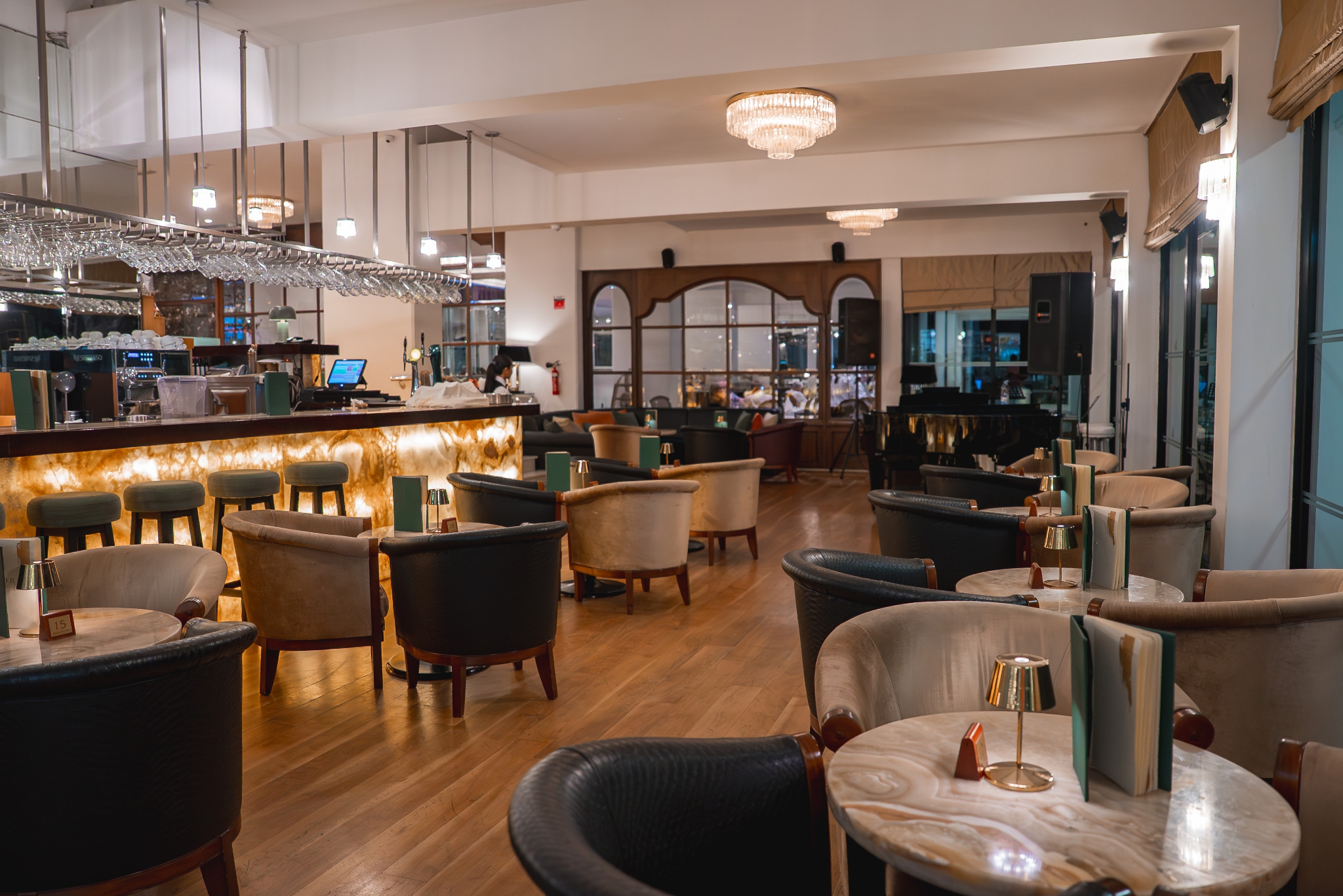
A neighbourhood freehouse with a 60-cover front bar, 20-cover snug and a garden. Objective: refresh joinery, restore oak boards, upgrade lighting—no closures beyond early mornings.
- Approach: Work zoned to the snug first with rigid sheeting, negative pressure and early-morning sanding windows. Front bar stayed open with a two-ale, one-lager, and short cocktails offer.
- Floor: Boards sanded 7–10:30am over two days; low-VOC hardwax oil with accelerated cure; mats during service; nightly buff and vacuum.
- Comms: Daily Instagram story and a chalkboard “What changed today?” list.
- Outcome: Sales dipped 8% mid-week but lifted 12% weekend-over-weekend as curiosity drew lapsed locals back. The “new snug night” sold out in hours.
Executing live-site works like this is precisely the sweet spot for well-planned Pub Refurbs.
Your practical checklist
Before week 1
- Confirm zones, reveals, and service-ready times.
- Order sheeting, zips, tapes, extractor bags, and tack cloths.
- Pre-batch two cocktails; design “builder’s menu”.
- Print signage and staff scripts.
Daily
- 07:00 toolbox talk: risks, noise windows, housekeeping.
- 10:45 air quality check; remove visible dust tracks to customer routes.
- 11:15 front-of-house reset; glassware polish; bathrooms checked.
- 16:00 wipe-down of touch surfaces; floor mats positioned.
- Close: HEPA vacuum, microfibre mop, waste out, next-day prep.
After completion
- Snag walk-through with trades.
- Aftercare plan for floors and finishes.
- “Thank-you” week for regulars (a small pint or dessert on the house).
This framework turns chaos into choreography—exactly what you need for seamless Pub Refurbs.
Frequently asked questions
Will guests notice smells or dust?
If you choose low-VOC finishes, run extraction, and time high-dust tasks before lunch, most guests will only clock a faint whiff of “newness”, not a building site.
Can we keep showing live sport?
Yes—sheeting is transparent; plan cable runs off-hours and keep one screen live at all times. Sound can even mask a little hammering.
How many phases should we plan?
Two to three crisp phases are ideal. Any more and fatigue sets in; any fewer and risk concentrates. For most venues, a floor/lighting phase and a joinery/soft-furnishings phase do the trick.
What’s the fastest way to tank guest goodwill?
Dirty loos, unclear routes, and surprises at the bar (“we’re out of…”). Keep those three immaculate and you’ll hold the room.
The psychology bit: make the rational look dull
A spruce-up is rarely about function alone; it’s about perception. When guests see skilled trades respecting the space—sheeting squared, edges crisp, floors revived—they interpret your whole offer as higher quality: better pints, warmer service, tastier food. That’s why finishing touches matter: a gentle floor sheen, properly aligned brass kick plates, pendants that dim smoothly. You’re not just improving materials; you’re upgrading meaning.