Key Takeaways: High-traffic commercial venues benefit from Hardwax Oil (like Osmo) over lacquers because they allow for spot-repairs. Maintenance cycles should include Wash and Care cleaning and annual Liquid Wax Cleaner top-ups to prevent the need for aggressive re-sanding.
The Problem: The Grey Path of Death in Busy Venues
Whether it’s a gastropub in Hither Green or a bustling restaurant in Catford, the entrance and the bar-line always show the same symptom: the grey path. This happens when the protective seal is worn through, allowing moisture, dirt, and spilled VAT-registered beverages to penetrate the timber fibers. Once the wood is stained grey from the inside, a simple clean won’t fix it. The venue begins to look tired, which directly impacts the premium feel and, ultimately, the average spend per head. Check our gallery of restored pub floors to see the difference.
The Agitation: Why Total Closures for Re-Sanding are a Business Nightmare
For a London hospitality business, closing for three days to re-sand a floor is a massive financial hit. Many owners wait too long because they fear the downtime, the dust, and the lingering solvent smells. However, waiting until the floor is black means more aggressive sanding is needed, which removes more of the floorboards thickness, eventually leading to a full, expensive replacement. Furthermore, using a standard domestic varnish in a pub is a recipe for disaster; it will peel under the weight of heavy furniture and the constant traffic of tradesmen and locals alike. See our commercial pricing guide for restoration options.
The Solution: The Osmo Hardwax Oil Maintenance Strategy
The secret to long-term success for commercial wooden floors in SE6 is switching from a film-forming lacquer to a penetrating oil like Osmo Polyx-Oil.
1. The Initial Restoration
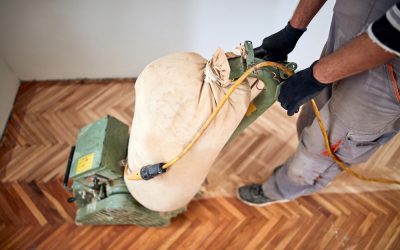
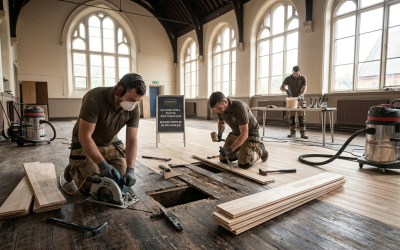
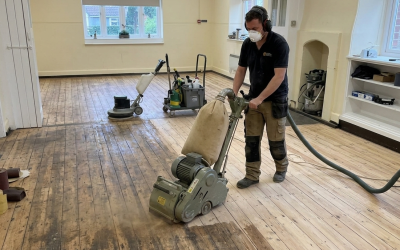
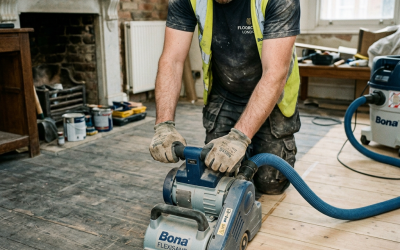
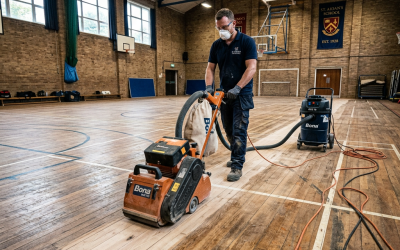
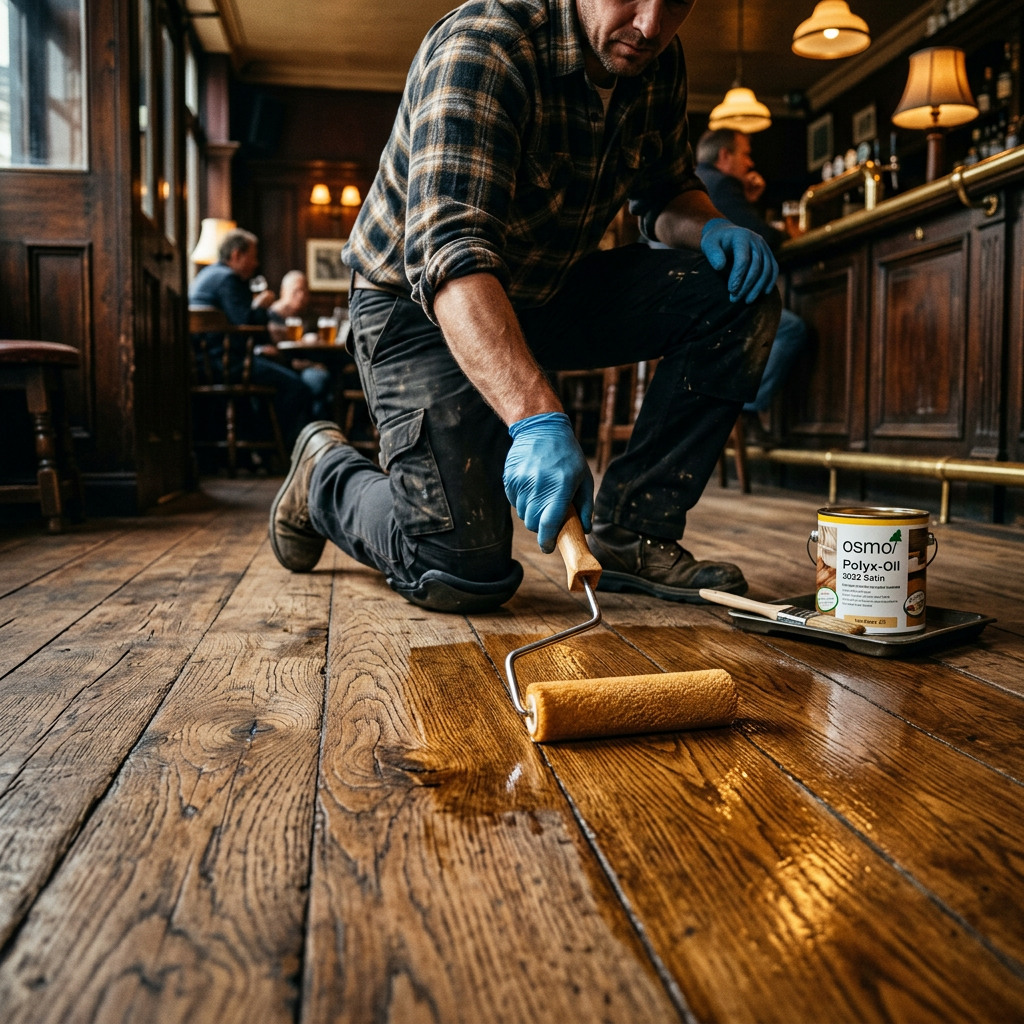
We start with professional wood floor sanding to clear the old damage. For oak pub floors, we use a 60-grit Zirconia to start, followed by an 80-grit and finishing at 100-grit. We then apply two coats of Osmo Hardwax Oil. Pro-Tip: In the humid, often poorly ventilated basements or snug rooms of South East London pubs, we use Osmo 2K which has a hardener to speed up the curing times to just 4 hours.
2. The Spot-Repair Advantage
The biggest benefit of hardwax oil is that you never have to sand the whole floor again. If the area in front of the bar wears down, we can clean it and apply a fresh coat of oil to that specific spot. It blends perfectly with the existing finish, meaning no lap marks and no need to close the whole venue. This is a core part of our pub refurbishment strategy.
3. Professional Aftercare
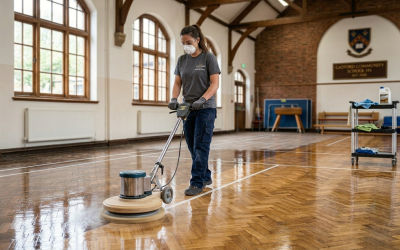
Maintenance is key. We provide our commercial clients with a Wash and Care concentrate. Unlike supermarket cleaners, this is pH-neutral and won’t cause grain raising. Every 6-12 months, we recommend a Maintenance Wash using Osmo Liquid Wax Cleaner, which nourishes the timber and keeps the floor liquid-repellent. This proactive approach keeps Catford’s venues looking stunning year-round.
To see how we manage these projects during live trading, read our guide on pub refurbishments or check our eco-friendly residential options. For a tailored quote, visit our get a quote page.